
Event Management vs Project Management: Same, Same but Different
All thumbs are fingers, but not all fingers are thumbs. Stay with us…
Every event coordinator is, in many ways, a project manager — but not every project manager could necessarily coordinate a wedding, corporate conference or large-scale event.
Why?
Because an event is ultimately a project. It has a brief, a budget, a timeline, multiple stakeholders, suppliers, deadlines, risks and one very important final delivery date that usually cannot be moved.
At The Aleit Academy, our Diploma in Event Coordination therefore prepares students for much more than planning beautiful events.
Throughout their studies, students develop transferable skills in project management, budgeting, communication, supplier management, administration, problem-solving, leadership and client service, skills that can be applied across a surprisingly wide range of industries.
That’s why our graduates don’t only become wedding and event coordinators. They have gone on to work in corporate events, hospitality, venues, marketing, creative agencies, account management, project management and entrepreneurship.
So, what exactly do event coordination and project management have in common? Quite a lot, actually.

3 Ways Event Coordination & Project Management Are More Similar Than You Think
1. Everything Starts With a Plan
Great events don’t just happen. Neither do great projects. Both require a clear objective, defined deliverables, a realistic budget, timelines, deadlines and a detailed understanding of who is responsible for what.
An event coordinator may be managing:
The client brief → venue → budget → suppliers → design → guest experience → logistics → event day → breakdown.
A project manager in a creative agency might be managing:
The client brief → strategy → budget → creative development → approvals → production → launch → reporting.
The outputs are completely different, but the thinking behind them is remarkably similar.
Both require the ability to take one big objective and break it into manageable phases, milestones and tasks.
From Brief to Delivery
Whether you’re managing a wedding, corporate event, product launch, marketing campaign or website development project, most projects follow a similar journey.
- Research, Discovery & Planning
First, you need to understand what you’re trying to achieve. In events, this means understanding the client’s vision, guest requirements, budget and expectations before researching venues, suppliers and possible solutions.
The same principle applies in almost any project management environment. Understand first. Plan second. Execute third.
- Project Initiation
Once the plan has been approved, things start moving. For an event coordinator, that could mean confirming the venue, appointing suppliers, finalising contracts and developing detailed timelines.
In another project management environment, it could mean allocating resources, briefing teams, commissioning work and establishing deadlines. Either way, this is where the plan starts becoming reality.
- Project Execution
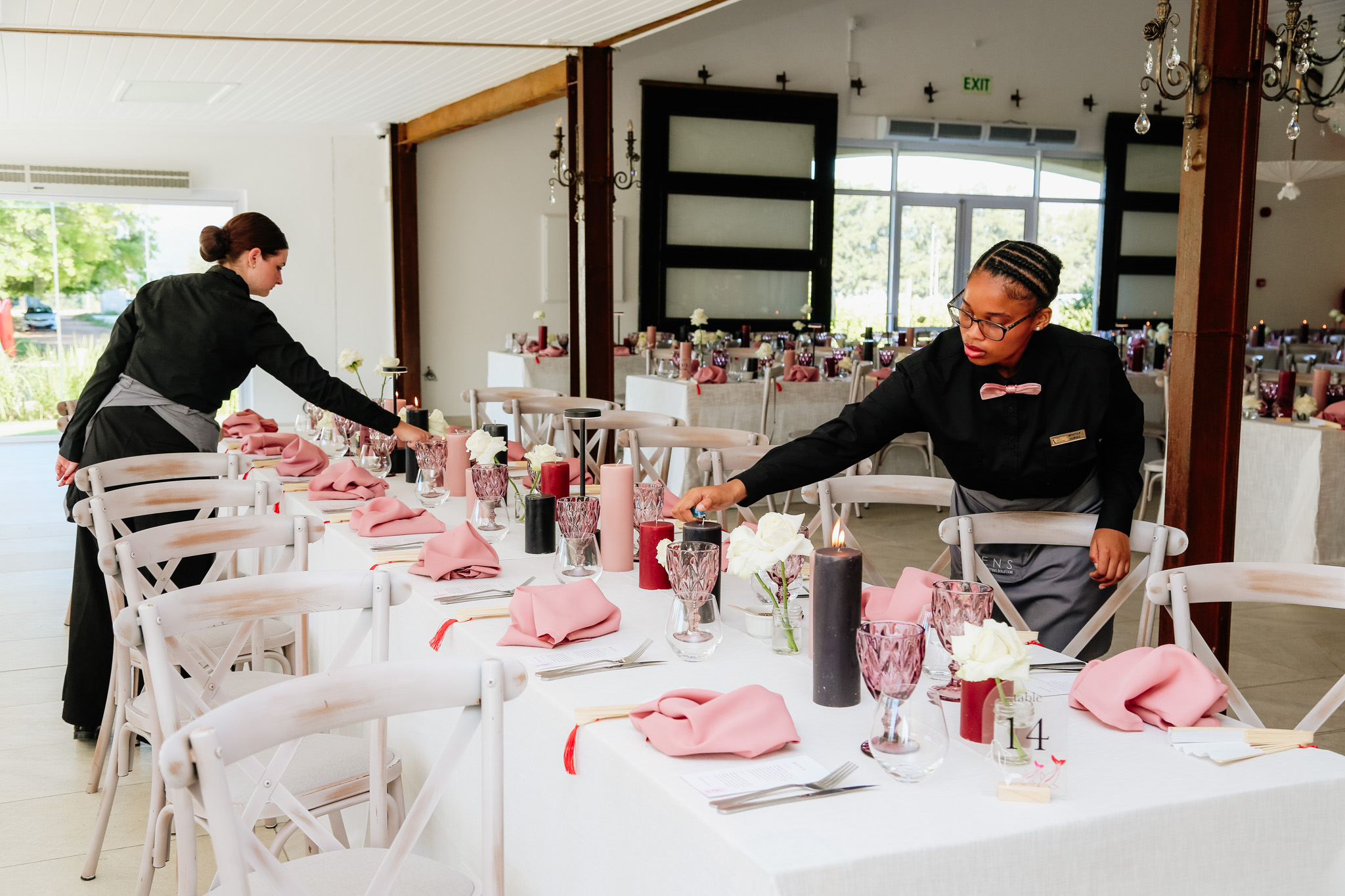
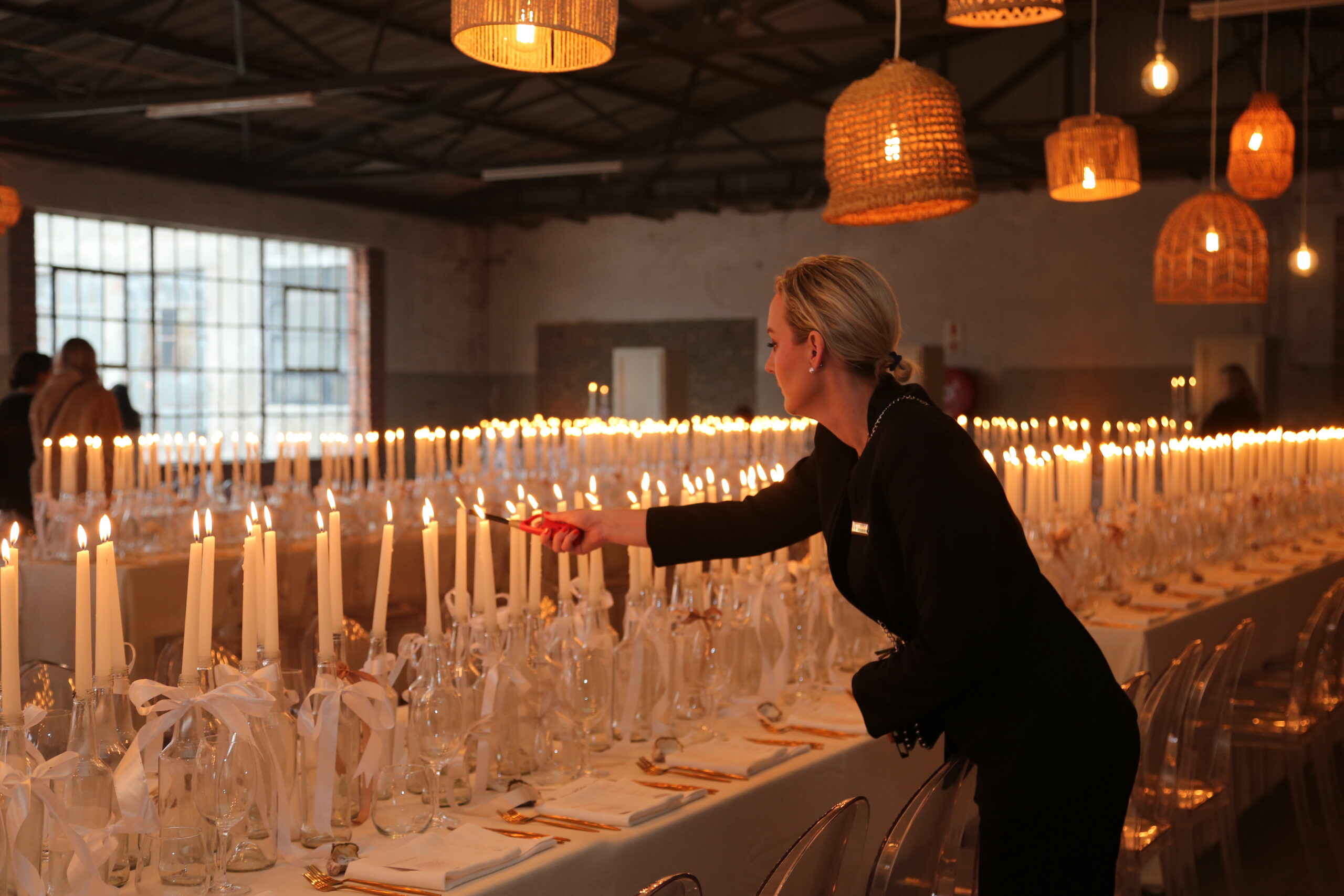
And then it’s go time. For an event coordinator, this is where things become particularly interesting because the final execution often happens within a matter of hours.
Months of planning might culminate in one wedding day, one gala dinner, one conference or one product launch.
There is no:
“We’ll move the wedding to Tuesday because we’re running behind.”
The doors are opening. The guests are arriving. The show must go on. And that teaches you something incredibly valuable. How to deliver under pressure.
- Monitoring, Problem-Solving & Thinking on Your Feet
Every project encounters challenges. But events have a rather unforgiving relationship with time. A supplier is late. The weather changes. A guest has an unexpected requirement. Something gets damaged. The programme runs behind schedule.
There often isn’t time for a three-hour meeting about what went wrong. You need to assess the situation, make a decision and solve the problem — sometimes without the client or guests ever knowing there was a problem in the first place.
This is why problem-solving and thinking on your feet are such important skills for event coordinators. You’re not only executing the project.
You’re simultaneously monitoring it, managing people, communicating with stakeholders and adapting the plan in real time.
Those skills translate exceptionally well into other project management environments.
- Review & Wrap-Up
The event might be over, but the project isn’t. Final supplier payments need to be reconciled. Feedback needs to be collected. Documentation needs to be filed. Budgets need to be closed. Teams may need to debrief.
The same happens with projects in other industries. Good project management isn’t simply about getting something across the finish line.
It’s about closing the loop properly.
2. Big Projects Are Really Hundreds of Small Tasks
Here’s something every event coordinator learns very quickly:
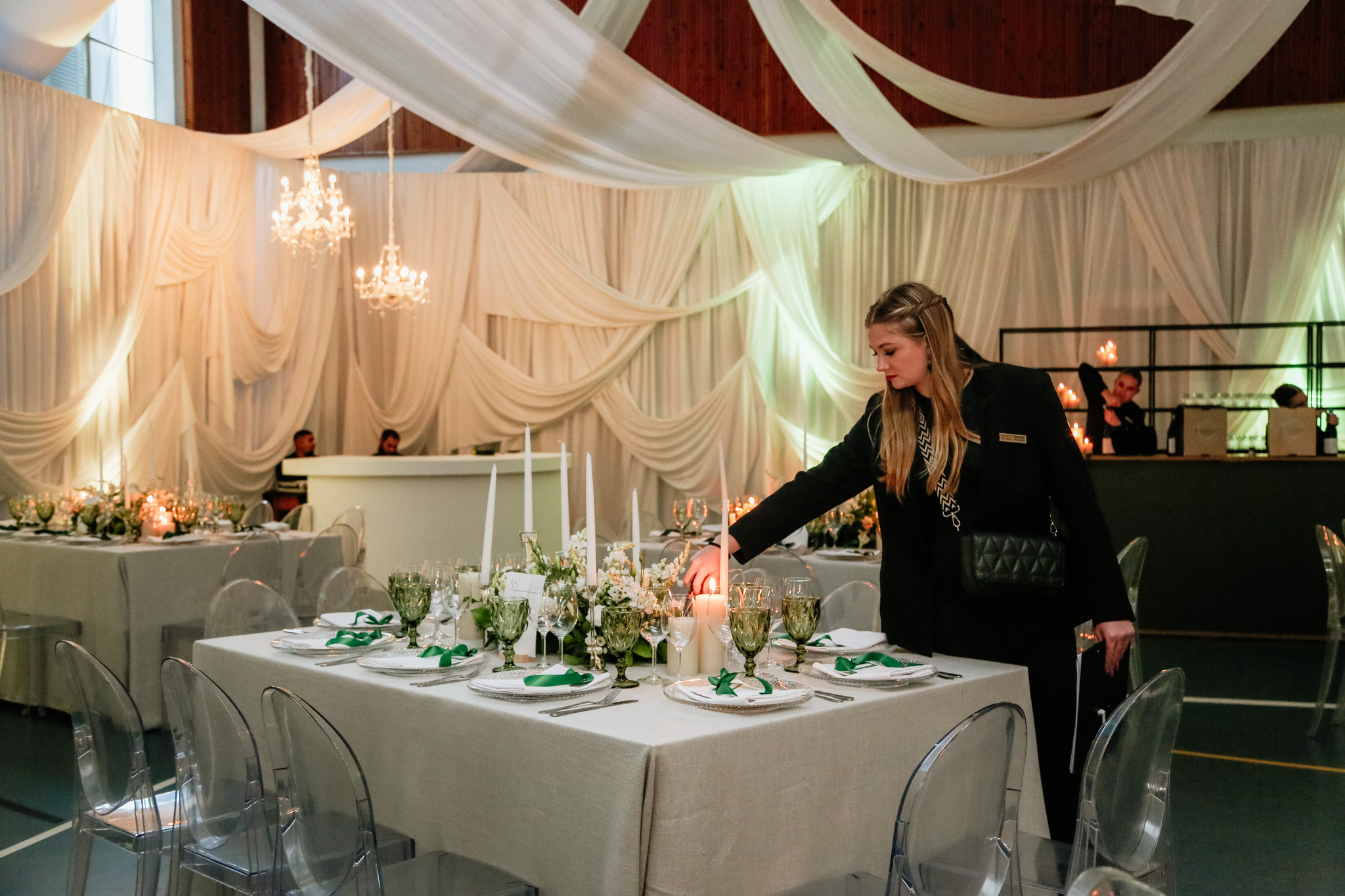
A beautiful event is essentially one enormous checklist.
- Book the venue.
- Confirm the caterer.
- Approve the floor plan.
- Finalise the menu.
- Confirm guest numbers.
- Check dietary requirements.
- Approve the furniture.
- Book technical.
- Confirm staffing.
- Send supplier schedules.
- Check the weather.
- Confirm access times.
And that’s before event day even begins. Project management works in much the same way.
A major objective is broken down into phases. Those phases become milestones. Those milestones become individual tasks.
The ability to keep track of those moving parts while maintaining sight of the bigger picture is one of the most valuable skills an event coordination student can develop.
It requires organisation, attention to detail, time management and excellent administration.
And yes — you’ll probably become very fond of a good checklist.
3. People Make Projects Happen
You can have the world’s most beautiful project plan. If nobody communicates, it’s not going very far. Both event coordination and project management require you to work with people.
Clients. Colleagues. Suppliers. Venues. Creatives. Technical teams. Caterers. Finance departments. Marketing teams. Service staff. And they all need different things from you at different times.
Learning how to brief clearly, negotiate, follow up, delegate, manage expectations and keep everyone moving towards the same objective is a major part of becoming a successful event coordinator.
That’s why communication and relationship management are just as important as timelines and budgets.
So, Does an Event Coordination Diploma Prepare You for Project Management?
It can prepare you with many of the core transferable skills used in project-based roles. At The Aleit Academy, we don’t believe these skills should only be learnt from a textbook.
Our students combine academic learning with extensive hands-on practical experience, including job shadowing, live industry exposure and internships.
By graduation, students have experienced what it means to work with:
- Real clients and briefs
- Fixed budgets
- Non-negotiable deadlines
- Multiple suppliers and stakeholders
- Timelines and project documentation
- Internal departments and external partners
- Unexpected problems
- Real-world pressure
That experience builds confidence that is difficult to replicate entirely within a classroom.

And Events Are Only the Beginning
One of the things we love most about event coordination is how many different directions it can take you. You might begin your studies dreaming about becoming a wedding coordinator and discover that your real strength lies somewhere completely different.
Our graduates can take their skills into areas such as corporate events, wedding coordination, venue management, hospitality, marketing, account management, project management, event styling, production, supplier management and entrepreneurship.
Because while the industry may change, many of the skills remain the same:
Plan. Communicate. Budget. Coordinate. Solve. Lead. Deliver.
More Than Learning How to Plan an Event
The Aleit Academy Diploma in Event Coordination isn’t simply about learning how to put together a beautiful event.
It’s about learning how to take an idea from brief to reality.
It’s about managing people, money, timelines and expectations.
It’s about remaining calm when the plan changes.
It’s about seeing the details without losing sight of the bigger picture.
And it’s about developing the practical, professional and interpersonal skills that can follow you throughout your career — wherever that career might take you.
Ready to see where Event Coordination could take you?
Explore the Aleit Academy Diploma in Event Coordination, download our prospectus, book a Campus Tour or apply online for 2027.